

Mobile applications have fundamentally transformed the way we interact with technology and each other. They are ubiquitous in our daily lives, used for everything from communication and social networking to online shopping and banking. The ability to perform complex tasks through simple interfaces has made apps an essential part of modern living. Explore this transformation further with resources like here, which can help you navigate the app landscape.
The Evolution of Mobile Applications
The history of mobile applications dates back to the early 2000s when the first basic apps were developed for mobile phones. At that time, applications were primarily limited in functionality and were not widely used. However, with the advent of smartphones, particularly the iPhone in 2007 and the subsequent launch of Android, the app industry began to grow exponentially. Developers quickly realized the potential of these devices and began creating increasingly complex and versatile applications.
Today, mobile applications are categorized into various types, including native apps, web apps, and hybrid apps. Native apps are developed specifically for a particular operating system, ensuring optimal performance. Web apps, on the other hand, are accessed through a web browser and do not require installation, while hybrid apps combine elements of both.
Why Mobile Applications Matter
The significance of mobile applications can be understood from various perspectives. Businesses leverage apps to enhance customer engagement, streamline operations, and improve service delivery. Consumers rely on them for convenience, access to information, and entertainment. Here are a few reasons why mobile applications are important:
1. Accessibility and Convenience
Mobile applications offer users the ability to access services anytime, anywhere. With just a few taps on a smartphone, individuals can shop online, book appointments, or communicate with friends and family. This level of accessibility has led to a shift in consumer behavior, as more people prefer mobile solutions over traditional desktop options.
2. Enhanced User Experience
Apps are designed with user experience in mind. They provide streamlined interfaces, fast load times, and personalized content, making it easier for users to navigate and find what they need. Businesses can use apps to gather user data and feedback to improve their services continually.
3. Increased Engagement
Mobile apps enable brands to engage with their customers in real-time. Push notifications, in-app messaging, and loyalty programs encourage users to interact with their favorite brands more frequently. This level of engagement ultimately fosters customer loyalty.
4. Market Reach and Growth Opportunities
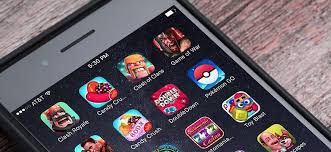
For businesses, mobile applications offer a global market reach. Companies can target a diverse audience by creating apps compatible with different languages and cultures. Furthermore, app stores provide an avenue to market products and services directly to potential customers.
The Impact of Mobile Applications on Various Sectors
The influence of mobile applications extends across multiple sectors, revolutionizing how industries operate. Here are some sectors profoundly affected by this digital shift:
1. Healthcare
Mobile health apps allow users to monitor their health, schedule appointments, and access telehealth services. Healthcare providers are using applications to track patient data and improve communication, enhancing overall patient care.
2. Education
With the rise of e-learning, educational apps are being used to deliver content, track progress, and facilitate communication between teachers and students. These platforms have made education more accessible and interactive, breaking geographical barriers.
3. Transportation
Ride-sharing apps like Uber and Lyft have transformed the transportation industry. Users can now hire rides at their convenience, while drivers can earn income through flexible work hours, leading to significant changes in urban mobility.
4. Retail
E-commerce applications have revolutionized shopping behaviors. Consumers can browse products, read reviews, and make purchases with ease. Retailers also benefit from additional sales channels and the ability to engage customers through personalized offerings.
Conclusion
The world of mobile applications continues to evolve, shaping our interactions, behaviors, and industries. As technology advances, we can expect even more innovative uses of mobile apps that will further integrate into our daily lives. Understanding their significance can help users and businesses alike to maximize the potential of this technology. For more insights into the app ecosystem, explore the resources available here.