
The relationship between gambling and entertainment: An analysis
The Historical Context of Gambling and Entertainment
Throughout history, gambling has been an integral part of human culture, often intertwined with forms of entertainment. From the ancient civilizations of Mesopotamia, where dice games were played, to the grand casinos of Las Vegas, gambling has evolved but remained a crucial source of amusement. This historic backdrop reveals not only the persistence of gambling but also its ability to adapt to societal changes and cultural preferences.
The development of online gaming platforms has further merged these two spheres, making gambling more accessible and appealing. With the advent of technology, players can now indulge in various games from the comfort of their homes, creating an entertainment experience that is as immersive as it is thrilling. You can explore options like https://daman-game.in/ to witness this fusion in action.
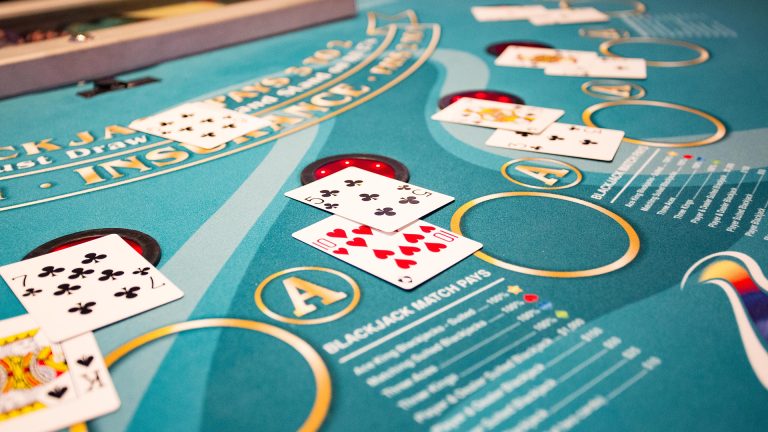
The early stages of gambling included rudimentary games of chance that were often played during social gatherings and religious ceremonies. As societies became more organized, these informal games were transformed into structured activities, including betting on sports events or playing card games in taverns. This evolution reflects society’s growing fascination with chance and competition, paving the way for the lavish gambling halls that became emblematic of modern entertainment.
The Psychological Appeal of Gambling as Entertainment
The psychological attraction of gambling stems from its capacity to evoke excitement and adrenaline. The thrill of placing a bet and the unpredictable nature of outcomes intertwine to create a captivating experience. Gamblers often seek the emotional highs and lows that accompany victories and losses, which can mimic the excitement found in various forms of entertainment like movies and sports.
Moreover, the social interaction that gambling provides also enhances its appeal. Engaging in games with friends or strangers adds a layer of communal entertainment, where shared experiences foster connections. These psychological and social elements significantly contribute to gambling’s status as a popular pastime.

Furthermore, the elements of risk and reward add to the casino’s atmospheric allure. The sounds of slot machines and the cheers from neighboring tables create an exhilarating environment reminiscent of a concert or sporting event. This multi-sensory experience captivates participants and often leads them to play longer, driven by the hope of not only winning but also of reliving that adrenaline rush.
The Role of Technology in Shaping Gambling Entertainment
In recent years, technology has revolutionized the landscape of gambling, introducing new forms that blend seamlessly with entertainment. Mobile applications and live dealer games create a dynamic experience that caters to a younger demographic familiar with digital interfaces. This evolution means that gambling is no longer limited to traditional settings but is now part of online multiplayer platforms and even virtual reality environments.
Additionally, technological advancements like data analytics enhance user experiences by personalizing game offerings. By utilizing player data, online gambling platforms can tailor games to individual preferences, making the interaction even more engaging. This blend of technology and entertainment ensures that gambling continues to evolve in tandem with consumer expectations.
The integration of features such as augmented reality (AR) and virtual reality (VR) offers new dimensions to the gambling experience, allowing users to interact with games in ways that were once the realm of science fiction. These technologies enhance the immersive atmosphere, making the act of gambling not only about chance but about an interactive narrative that players can be a part of.
The Cultural Perceptions of Gambling as Entertainment
Cultural attitudes towards gambling significantly affect its perception as entertainment. In some societies, gambling is celebrated as a form of leisure that brings people together, while in others, it may be stigmatized or associated with negative consequences. These varying viewpoints shape how gambling is integrated into public life, influencing everything from laws to advertising strategies.
The normalization of gambling in popular media, through films and television shows, also plays a role in shaping cultural perceptions. These portrayals can glamorize gambling, making it a popular topic that draws people in, further solidifying its place in the entertainment sphere. As cultural contexts shift, so too will attitudes toward gambling, keeping the discourse alive and evolving.
Moreover, the rise of social media has allowed for a new form of interaction with gambling content, where influencers and content creators can share their experiences. This digital word-of-mouth fosters a sense of community and curiosity, encouraging more individuals to engage in gambling as a form of leisure, thus impacting its cultural acceptance. The interplay between traditional views and modern influences continues to shape public discourse on this intriguing subject.
The Entertainment Value of Modern Gambling Platforms
Modern gambling platforms are designed not just for play, but for entertainment on multiple levels. These websites offer immersive experiences that go beyond traditional gaming by incorporating graphics, storylines, and engaging user interfaces. This evolution makes the platforms more appealing to a broad audience, transforming how gambling is perceived and engaged with.
Furthermore, these platforms often include features like live tournaments, social sharing options, and community events that enhance the entertainment experience. As players interact with these elements, they find themselves becoming part of a larger community, transforming the solitary act of gambling into a shared entertainment journey that resonates on various levels.
In addition, the gamification of online gambling, blending elements of traditional gaming with betting practices, has made the experience more engaging. This approach can introduce various missions, rewards, and achievements, appealing to players who enjoy gaming dynamics in their gambling experience. With these innovations, the line between gambling and entertainment continues to blur, ensuring that the appeal of gambling remains strong across diverse audiences.