
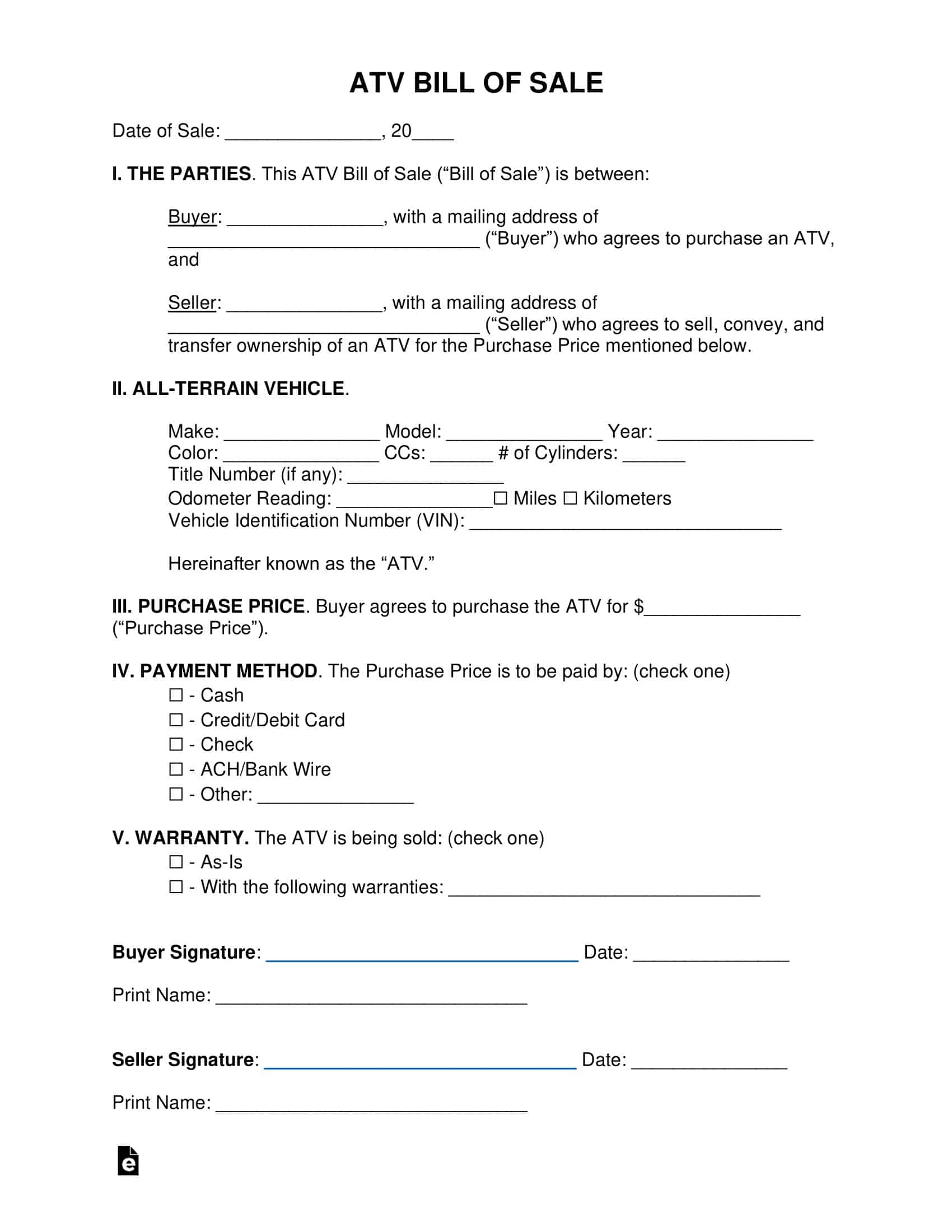
An automobile receipt documents the transfer of ownership for an automobile; normally specified as an automobile, truck, motorcycle, or various other motor vehicle (inspect your neighborhood state regulation). And like various other sorts of receipt, this file functions as evidence of the deal, safeguarding both buyer and seller in case of disputes. Several states require a proof of purchase for cars and truck title transfer, registration, or tax obligations, making it more than a great method; it’s typically legally needed.
Our free, editable proof of sale template consists of one of the most typical areas discovered for proof of sale for lorries consisting of VIN number, make, version, year, odometer reading, purchase price, and the names and addresses of both parties. With Docusign, you can submit the sales invoice online, print, and download for secure recordkeeping.
This empty, fillable type offers an organized means to catch crucial information of this vehicle purchase invoice. All you require is a cost-free Docusign account to modify, send for trademark, and shop securely. And keep in mind, offering a vehicle without this kind is like marketing it without the wheels. You will not obtain much with your auto without a bill of sale.
What is an automobile receipt?
An Automobile Proof Of Sale is a lawful document that videotapes the transfer of possession of an automobile from the seller to the buyer.More Here Get details about West Virginia Car Bill of Sale At our site It works as an official receipt, supplies receipt, and is usually required by state agencies to sign up and title the lorry in the customer’s name.
What is included in a lorry proof of sale?
To be legally-enforceable and accepted by the ideal authorities, a car proof of sale need to include:
-
Full lawful names and addresses of both the seller and the customer
-
Date of sale
-
A detailed description of the automobile, including make, design, year, Lorry Identification Number (VIN), odometer analysis, shade, license plate number, and title number (if appropriate)
-
Purchase price and payment plans
-
Odometer disclosure declaration (as required by federal and state legislation)
-
Representations and warranties provision attesting the seller’s right to market and the condition of liens or encumbrances
-
Delivery details of the car
-
Signatures of both the seller and buyer
-
Notary acknowledgment section, if needed by your state
Additional (optional) stipulations
While not required, the adhering to optional clauses may provide added clearness or protection:
-
Certain repayment approach information (cash money, check, payment plan, etc)
-
Place and date of delivery
-
Any kind of additional warranties or warranties, or specific “as is” statements Call details(
phone and email)for both celebrations Declaration of any consisted of accessories or
-
added products( e.g., spare tires, handbooks )When do you require a vehicle proof of purchase?
A lorry receipt is vital in numerous scenarios
: Acquiring or selling a used lorry: It’s vital for both exclusive
-
party sales and transactions with car dealerships to protect both the buyer and seller. It documents the regards to the sale and can prevent future disputes. Signing up the car: Many states need a receipt to sign up the lorry in
-
the brand-new proprietor’s name and to move the title. Proof of ownership: In case of burglary, crashes, or legal disagreements, the costs of
-
sale functions as primary evidence of ownership. Tax obligation purposes: It offers paperwork for computing sales tax and for tax reductions if suitable. Establishing “as is” condition: For exclusive sales, it can explicitly mention that the lorry is being marketed “as is,” meaning the purchaser accepts the vehicle with any kind of “existing flaws and the seller is exempt for repair services after the sale. This helps limit the “seller”‘s liability. Dispute resolution: If a difference arises in between the customer and vendor, the receipt details the agreed-upon terms, which can be indispensable in dealing with
-
the problem.